Hi, How Can We Help You?

Tag Archives: GRS Certified Recycled Weaving Yarn

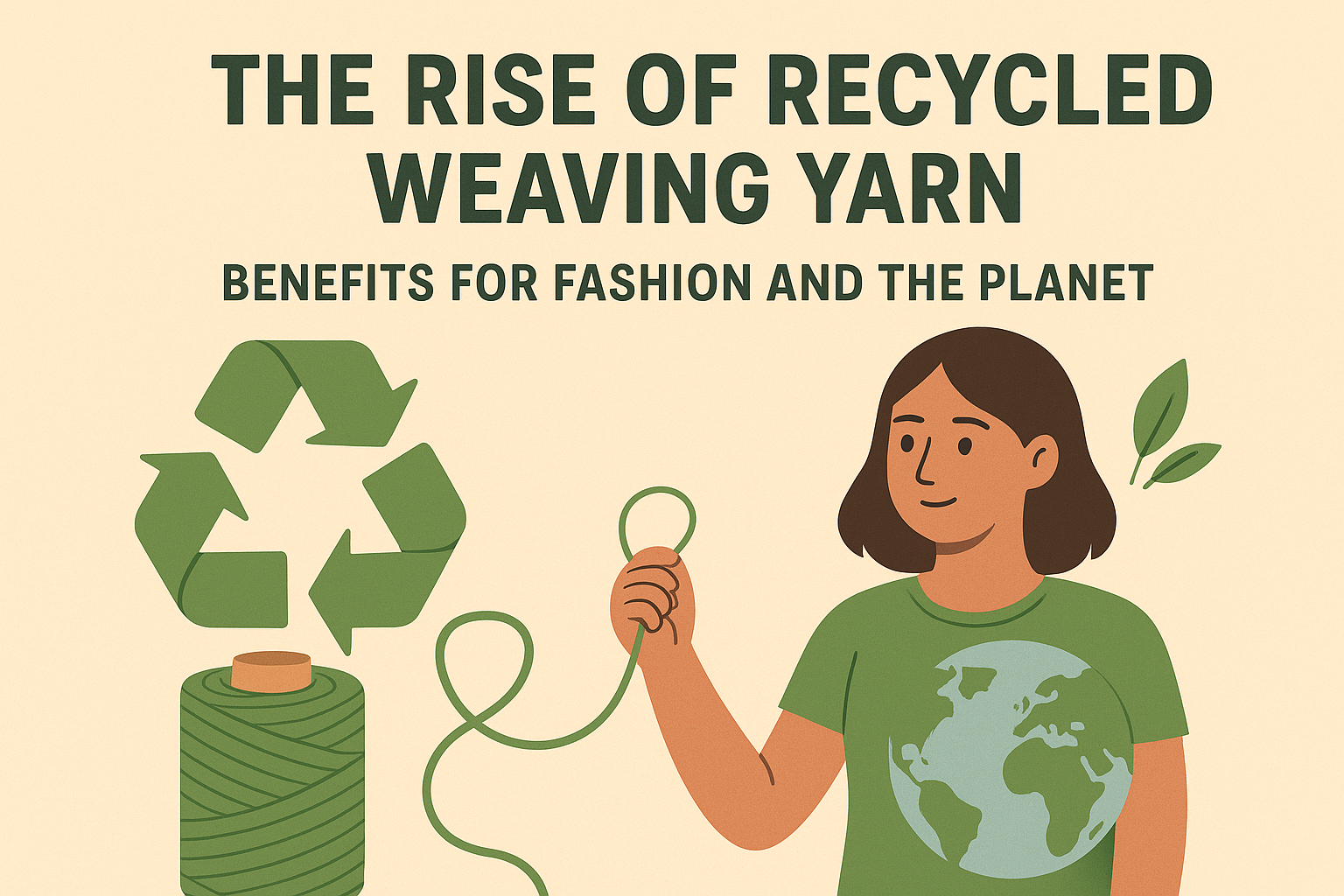
The Rise of Recycled Weaving Yarn: Benefits for Fashion and the Planet

The Rise of Recycled Weaving Yarn: Benefits for Fashion and the Planet

The fashion industry is one of the world’s most creative and influential sectors—but it’s also among the most resource-intensive. With growing awareness about environmental impacts, designers, brands, and manufacturers are turning to sustainable solutions. One innovation making a significant difference is Recycled Weaving Yarn. Not only is it revolutionizing the way textiles are made, but it’s also helping reduce the fashion industry’s ecological footprint.

From repurposing discarded fabrics to weaving beautiful, durable materials, Recycled Weaving Yarn is proof that style and sustainability can coexist. Let’s explore what it is, how it’s made, and why it’s transforming both fashion and the planet.

1. What Is Recycled Weaving Yarn?

Recycled Weaving Yarn is created from pre-consumer or post-consumer textile waste, as well as other recyclable fibers like PET bottles.

  • Pre-consumer waste comes from production scraps, offcuts, and unsold inventory.
  • Post-consumer waste includes old garments, household textiles, and discarded fabric products.

These materials are collected, sorted, cleaned, and processed into fibers, which are then spun into yarn suitable for weaving. This approach reduces the demand for virgin fibers like cotton or polyester, which require significant water, land, and energy resources to produce.

2. How Recycled Weaving Yarn Is Made

The manufacturing process for Recycled Weaving Yarn involves several key steps:

  1. Collection & Sorting: Waste textiles are gathered and sorted based on fiber type, color, and condition.
  2. Shredding: Fabrics are mechanically shredded into smaller fibers.
  3. Cleaning: Fibers are washed to remove dirt, dyes, or contaminants.
  4. Blending: Recycled fibers are often blended with other fibers to enhance strength and quality.
  5. Spinning: The fibers are spun into yarn, ready to be woven into new fabrics.

Advanced technology allows manufacturers to produce high-quality yarn that rivals virgin yarn in appearance and performance.

3. Environmental Benefits of Recycled Weaving Yarn

The shift toward recycled yarn offers numerous environmental advantages:

a. Reduces Textile Waste

Textile waste is a growing problem, with millions of tons ending up in landfills every year. By reusing discarded fabrics, Recycled Weaving Yarn helps divert this waste from landfill sites.

b. Conserves Resources

Producing virgin fibers like cotton requires vast amounts of water and pesticides, while polyester production consumes fossil fuels. Recycling fibers drastically reduces water usage, chemical pollution, and energy consumption.

c. Lowers Carbon Footprint

Manufacturing recycled yarn generally emits fewer greenhouse gases compared to producing new fibers. This helps mitigate climate change impacts.

d. Minimizes Microfiber Pollution

Some recycled yarns are made from natural fibers or improved synthetics that shed fewer microplastics, reducing ocean pollution.

4. Benefits for the Fashion Industry

The rise of Recycled Weaving Yarn is not just good for the planet—it’s also a win for the fashion world.

a. Creative Freedom

Recycled yarns can be dyed, textured, and blended to produce unique fabrics, allowing designers to experiment with new looks and textures without compromising quality.

b. Meeting Consumer Demand

Sustainability is no longer a niche—it’s a priority for many shoppers. Brands using recycled yarn can appeal to eco-conscious consumers, strengthening their market position.

c. Cost-Effectiveness in the Long Term

While the initial setup for recycling systems can be costly, the use of waste materials can eventually reduce reliance on expensive virgin fibers, offering savings over time.

d. Brand Reputation and Certification

Brands adopting recycled yarn often gain certifications such as Global Recycled Standard (GRS) or OEKO-TEX, which enhance credibility and consumer trust.

5. Challenges and Solutions

Despite its benefits, Recycled Weaving Yarn production faces challenges:

  • Fiber Quality: Recycled fibers may be shorter and weaker than virgin fibers.
  • Color Limitations: Pre-colored fabrics may limit dyeing options.
  • Sorting Complexity: Separating different fiber types is labor-intensive.

However, advancements in recycling technology, such as chemical recycling for polyester or AI-powered sorting systems, are overcoming these hurdles, making recycled yarn more viable and scalable.

6. The Bigger Picture: Closing the Loop

Recycled Weaving Yarn supports the concept of a circular fashion economy, where materials are kept in use for as long as possible. Instead of the traditional “take-make-dispose” model, circular fashion emphasizes reusing, recycling, and regenerating resources.

By adopting recycled yarn, brands contribute to this loop—designing clothes that can one day be recycled again, reducing overall waste and resource depletion.

Conclusion

The rise of Recycled Weaving Yarn marks a pivotal moment for the fashion industry. It’s a step toward reducing environmental harm while enabling creativity and innovation. From lowering textile waste to conserving natural resources, its benefits are clear—not just for the planet, but for the fashion market as a whole. As consumer demand for sustainability grows, more brands are expected to embrace recycled yarns in their weaving processes. This isn’t just a passing trend—it’s the future of fabric. The next time you admire a woven garment, it may very well be a symbol of how style and sustainability can weave together seamlessly.
KS Spinning Mills: Pioneering Sustainability with High-Quality Recycled Weaving Yarn

KS Spinning Mills: Pioneering Sustainability with High-Quality Recycle...

In an era where sustainability is a key focus for industries worldwide, KS Spinning Mills stands as a leading pioneer in the textile sector. As a trusted manufacturer, we specialize in producing high-quality Recycled Weaving Yarn that aligns perfectly with the global demand for eco-friendly solutions. By integrating sustainability into every step of our production process, we help brands and manufacturers reduce their environmental footprint while maintaining top-tier quality in their woven fabrics.

The Rise of Recycled Weaving Yarn

The textile industry is one of the largest contributors to global waste, with millions of tons of fabric waste generated each year. Recognizing the urgency to address these challenges, KS Spinning Mills has turned to recycling to create Recycled Weaving Yarn. This innovative approach allows us to repurpose post-consumer and post-industrial textile waste, giving it new life as high-quality weaving yarn. By doing so, we not only reduce the demand for virgin materials but also contribute to a more sustainable, circular economy.

Our Recycled Weaving Yarn is produced through a meticulous process that ensures it meets stringent quality standards. Each yarn is carefully spun from recycled fibers that are cleaned, processed, and reformed to maintain their strength, durability, and aesthetic appeal. As a result, our yarns provide the perfect base for a variety of weaving applications, from home textiles to apparel and industrial fabrics.

Why Choose Recycled Weaving Yarn from KS Spinning Mills?

1. Sustainability at the Core

At KS Spinning Mills, sustainability is not just a buzzword; it’s an integral part of our mission. Our Recycled Weaving Yarn helps reduce the need for raw materials, minimizing the impact on natural resources. By choosing recycled yarn, you are actively contributing to the reduction of textile waste and conserving energy and water resources. Additionally, our recycling process produces fewer carbon emissions compared to the traditional yarn production methods.

2. Quality You Can Rely On

While sustainability is at the heart of our production process, we never compromise on quality. Every batch of Recycled Weaving Yarn undergoes strict quality control checks to ensure that it meets the high standards our customers expect. The yarns retain their strength, texture, and color vibrancy, making them ideal for a wide range of weaving applications. Whether you are weaving light fabrics for fashion or heavy-duty textiles for industrial purposes, our recycled yarn delivers the desired performance and finish.

3. Customization to Meet Your Needs

At KS Spinning Mills, we understand that each weaving project has unique requirements. That’s why we offer a wide range of yarn options in terms of thickness, texture, and blend. Whether you need a specific color, fiber blend, or yarn count, we work closely with our clients to provide customized solutions that align with their project specifications.

4. Supporting a Greener Future

As brands and consumers alike demand more sustainable products, KS Spinning Mills stands out as a partner who not only understands these needs but actively works to fulfill them. Our Recycled Weaving Yarn gives manufacturers and designers the opportunity to incorporate eco-friendly materials into their collections without compromising on quality or design.

Join the Sustainability Movement

By choosing KS Spinning Mills for your Recycled Weaving Yarn needs, you are taking a step toward a greener future. Our yarns help your brand achieve its sustainability goals while delivering high-quality fabrics that meet the demands of today’s eco-conscious consumers. We are proud to be part of the movement that’s shaping the future of the textile industry.

Get in Touch with KS Spinning Mills

Are you ready to incorporate Recycled Weaving Yarn into your next collection or product line? Contact us today to learn more about our sustainable yarn options, request samples, or discuss your specific requirements.

📞 Phone: 8708732975, 95182-21098
📧 Email: sales@ksspinningmills.techonicia.com
🌐 Website: KS Spinning Mills

Recycled Weaving Yarn

The Future of Sustainable Textiles: How Recycled Weaving Yarn is Trans...

The Future of Sustainable Textiles: How Recycled Weaving Yarn is Transforming the Industry

Inside KS Spinning Mills’ Commitment to Eco-Friendly Innovation


In today’s rapidly evolving textile landscape, sustainability is no longer a luxury—it’s a necessity. At KS Spinning Mills, we believe in responsible manufacturing and conscious consumption. One of the key innovations leading this green revolution is Recycled Weaving Yarn.

What Is Recycled Weaving Yarn?

Recycled weaving yarn is produced by reprocessing waste textiles—such as post-industrial and post-consumer fabric scraps—into high-quality yarns. This process significantly reduces the need for virgin raw materials, conserving water, energy, and reducing carbon emissions.

Unlike traditional yarns, recycled weaving yarn provides the same strength and functionality while reducing environmental impact.

Why Choose Recycled Yarn?

Here are a few compelling reasons why Recycled Weaving Yarn is a smart, sustainable choice:

  • 🌱 Eco-Friendly Production: Less water and energy used during manufacturing
  • 🔁 Waste Reduction: Diverts textile waste from landfills
  • 💰 Cost-Effective: Affordable alternative to virgin yarns without compromising quality
  • ♻️ Circular Economy: Encourages reusability and longevity in textiles

How KS Spinning Mills Leads the Way

At KS Spinning Mills, we take pride in being a forward-thinking spinning partner for global and domestic textile brands. Our in-house recycling technology and strict quality control ensure that every cone of Recycled Weaving Yarn meets premium standards.

Our yarns are:

  • Made from sorted, cleaned, and processed textile waste
  • Available in a variety of blends (cotton/polyester/viscose, etc.)
  • Custom-dyed or available in natural shades
  • Suitable for weaving, knitting, and industrial applications

Applications of Recycled Weaving Yarn

Our recycled yarns are trusted across a wide range of applications, including:

  • Home textiles (curtains, upholstery, bedsheets)
  • Garment fabrics (denim, shirting, casual wear)
  • Industrial fabrics
  • Rugs and mats

Whether you’re a fashion brand, home textile manufacturer, or eco-conscious entrepreneur, recycled weaving yarn offers both performance and sustainability.

Sustainability Is Not a Trend—It’s Our Promise

At KS Spinning Mills, we’re not just selling yarn—we’re building a greener future. Our mission is to make eco-conscious choices accessible to everyone in the textile value chain. From collection to conversion, every step is optimized for minimal environmental impact.

🌿 Partner With Us for a Greener Tomorrow

Looking for high-quality recycled weaving yarn for your next project? KS Spinning Mills is here to help. Reach out to our team to learn more about our range, minimum order quantities, and customization options.

📩 Contact Us | 🌐 Visit Our Website

The Science Behind Recycled Yarn: Strength, Durability, and Performance

The Science Behind Recycled Yarn: Strength, Durability, and Performanc...

In the modern textile industry, sustainability has taken center stage, with Recycled Yarn emerging as a game-changing solution for reducing environmental impact. But while the eco-friendly benefits of recycled yarn are well-known, many manufacturers, retailers, and consumers still have questions about its strength, durability, and overall performance. Can recycled yarn truly stand up to the demands of the textile industry, particularly when used in garments, fabrics, and home textiles?

At KS Spinning Mills, we’ve invested in cutting-edge technology and continuous research to ensure that our 100% recycled cotton-poly blended yarn not only meets but exceeds industry standards for strength and durability. This blog explores the science behind recycled yarn, demonstrating why it’s a strong, durable, and high-performance option for modern textiles.

1. Understanding Recycled Yarn Composition

Recycled yarn is made by repurposing textile waste, such as post-consumer garments or fabric scraps, and blending it with recycled polyester (rPET) derived from plastic bottles. At KS Spinning Mills, our cotton-poly blends are engineered to maintain the optimal balance of natural and synthetic fibers. Cotton offers softness and breathability, while polyester contributes strength, durability, and moisture-wicking properties. This blend creates a versatile yarn suitable for various textile applications, from garments to home textiles.

a. Mechanical Recycling Process

The production of recycled yarn typically involves mechanical recycling, a process that transforms discarded textiles into new fibers. In this process, the textile waste is collected, sorted by material, and mechanically shredded into small fibers. These fibers are then spun into yarn using the same methods used for virgin fibers. Advanced technology ensures that the quality of the resulting yarn remains high, even after multiple recycling cycles.

2. Strength and Durability: How Recycled Yarn Measures Up

One of the common misconceptions about recycled yarn is that it lacks the strength and durability of virgin fibers. However, scientific advancements in yarn manufacturing have proven otherwise. Recycled yarn undergoes rigorous testing to ensure it meets the same performance standards as traditional yarns.

a. Fiber Integrity

During the mechanical recycling process, some fiber degradation occurs, particularly with natural fibers like cotton. However, this is mitigated by blending the recycled cotton with recycled polyester, which enhances the overall strength and durability of the yarn. Polyester, known for its toughness and resistance to wear, helps reinforce the cotton fibers, resulting in a final product that retains the softness of cotton with the added durability of synthetic fibers.

b. Spinning Techniques

Advanced spinning techniques are key to maintaining the strength and integrity of Recycled Yarn. At KS Spinning Mills, we use precision spinning methods that ensure the fibers are tightly bound together, resulting in a yarn that is both strong and consistent. This precision also minimizes the occurrence of weak spots or breaks, ensuring that the yarn performs well under stress, whether in apparel, home textiles, or industrial fabrics.

3. Performance in Textiles: Meeting the Demands of the Industry

Recycled yarn must not only be strong and durable but also perform well in the diverse applications it’s used for. Whether in garments, upholstery, or bed linens, recycled yarn needs to meet the same expectations as its virgin counterparts. Here’s how recycled yarn excels in key performance areas:

a. Moisture Management

One of the standout properties of polyester is its moisture-wicking ability. When blended with recycled cotton, it enhances the fabric’s capacity to pull moisture away from the skin, keeping the wearer dry and comfortable. This makes recycled yarn ideal for activewear, bedding, and other textiles that require breathability and moisture control.

b. Resistance to Wear and Tear

Thanks to the polyester blend, recycled yarn exhibits excellent resistance to abrasion and wear. This means textiles made from recycled yarn are less prone to pilling, tearing, or fraying, even after extended use. For garments and home textiles that are subject to frequent washing and heavy use, this durability is essential. Upholstery fabrics, for example, benefit from the added resilience of recycled yarn, maintaining their integrity over time.

c. Color Retention

Recycled yarn is also highly effective at retaining color, even after repeated washing. The polyester component helps maintain the vibrancy of the dye, ensuring that textiles made from recycled yarn look new for longer. This makes it an attractive option for fashion brands, interior designers, and retailers who want to offer long-lasting, high-quality products.

4. Environmental Impact and Circularity

The environmental benefits of recycled yarn cannot be overstated. Traditional cotton production is water-intensive, and polyester production relies on fossil fuels. By using recycled materials, the textile industry significantly reduces its consumption of water, energy, and raw materials. The recycled polyester used in yarn is derived from post-consumer plastic bottles, giving new life to waste that would otherwise end up in landfills.

Moreover, the production of recycled yarn emits fewer greenhouse gases compared to virgin fiber production, contributing to a lower carbon footprint. This makes it an environmentally responsible choice for manufacturers and brands looking to reduce their ecological impact.

5. Certifications and Quality Assurance

Recycled yarn is rigorously tested to ensure it meets international quality and sustainability standards. At KS Spinning Mills, our recycled yarn undergoes extensive quality control measures to ensure it performs as expected in various textile applications. Certifications like the Global Recycled Standard (GRS) and OEKO-TEX® provide additional assurance that our yarn is not only high-quality but also produced in an environmentally and socially responsible manner.

Conclusion: Recycled Yarn—A High-Performance, Sustainable Choice

The science behind recycled yarn is clear: it is a strong, durable, and high-performing material that meets the demands of the modern textile industry. At KS Spinning Mills, we are committed to pushing the boundaries of recycled yarn technology, ensuring that our cotton-poly blended yarn delivers the same level of performance as traditional yarn while offering significant environmental benefits.

By choosing recycled yarn, manufacturers, retailers, and consumers can enjoy the best of both worlds—high-quality textiles that perform well and contribute to a more sustainable future. As the demand for eco-friendly products continues to grow, Recycled Yarn will play a crucial role in shaping the textiles of tomorrow.

Join us in embracing the power of recycled yarn and revolutionizing the way we think about strength, durability, and performance in textiles.